Japan's Hidden Wellness Experiences: Onsen, Temple Stays and Ancient Craft | OffTheGrid Travel
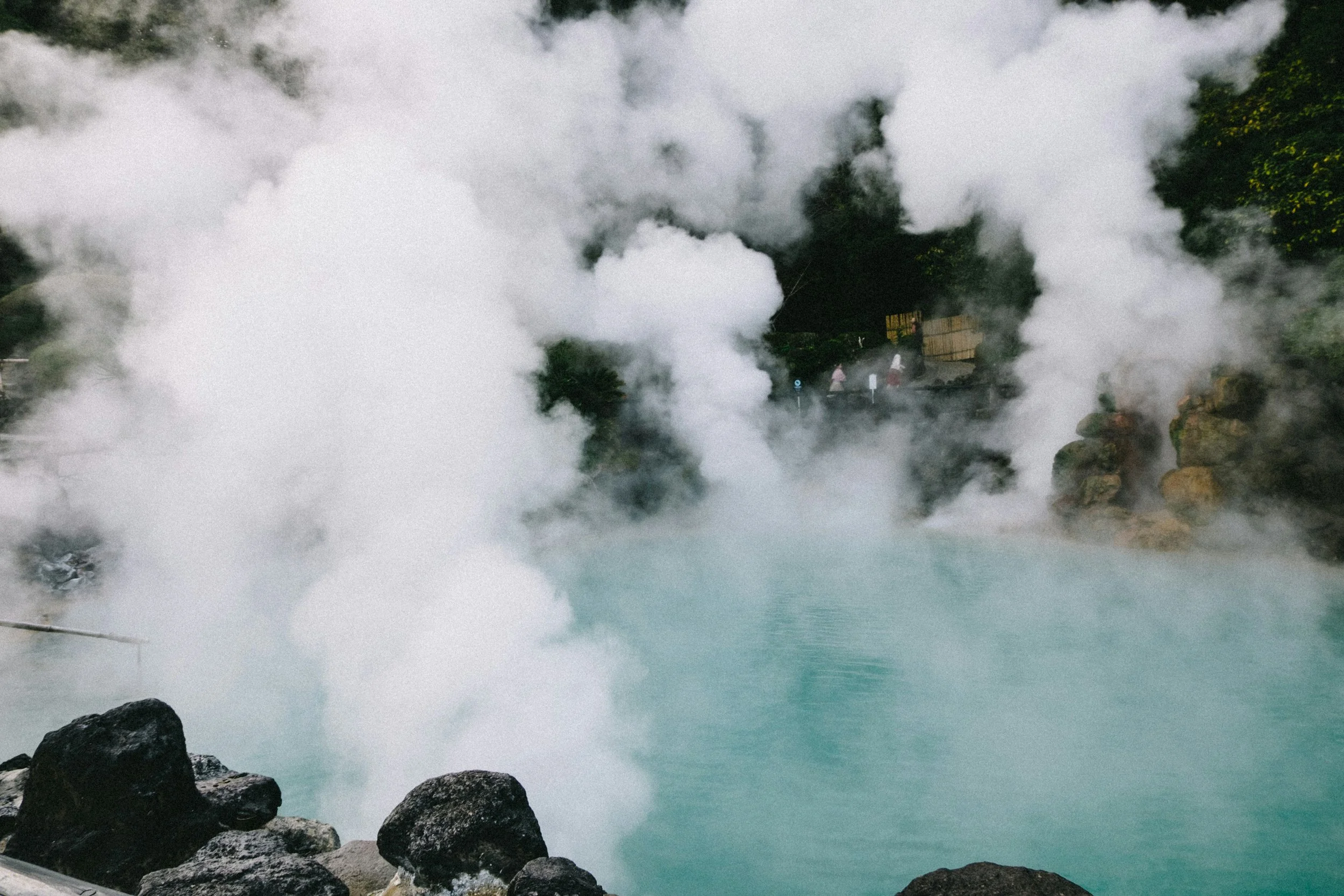
Private onsen, Hakone — one of six restorative experiences on this itinerary that are specific to Japan
Japan’s most restorative experiences do not appear in wellness spa directories. They are quieter than that — a private hot spring bath on a mountain hillside, a breakfast served before sunrise at a Buddhist temple, a morning spent learning to form something with your hands that will outlast the trip. These are the experiences we build this journey around.
Why Japan is the world’s most complete wellness destination
The wellness travel market has been shaped largely by European spa hotels and Southeast Asian retreat centres. Japan offers something that neither category can replicate: a culture in which rest, craft, ceremony and contemplation have been practised with rigour for over a thousand years. The onsen, the tea ceremony, the Buddhist retreat, the craft workshop — none of these are wellness amenities. They are living traditions, still practiced daily.
For travellers who have returned from a Bali retreat or a South Tyrol spa week feeling rested but not transformed, Japan tends to be a different kind of experience. The depth is genuine. You are not being sold it. Our approach at OffTheGrid Travel is to build itineraries that put travellers inside these traditions rather than alongside them.
Six wellness experiences Japan offers that you will not find elsewhere
A private rotenburo (outdoor hot spring bath) attached to your ryokan room. Geothermally heated mineral water, complete privacy, views across the mountain landscape. Onsen bathing is known to improve circulation, ease muscular tension and promote deep sleep — and Japan has been practising it for fifteen hundred years.
One night at Kuonji temple, Mt. Minobu. Shoujin ryori dinner, traditional lodging, morning ceremony. Shukubo is not marketed as a wellness retreat — and that is precisely why it works. The structure of early rising, simple food and silent corridors does more for the nervous system than most designed retreats.
A traditional multi-course dinner served in your ryokan. Each course is a study in restraint: ingredient, season, vessel and presentation in balance. Kaiseki is the oldest and most considered culinary tradition in Japan, and eating it properly is itself a form of mindful practice.
A traditional chado (the way of tea) ceremony, taught by a practitioner in Kyoto. Built on four principles: harmony, respect, purity and tranquillity. It asks participants to be fully present for approximately ninety minutes. In a world structured around distraction, that is an increasingly rare thing to be given.
Three hands-on workshops across the itinerary: glassblowing in Tokyo, wagashi sweet-making in Kyoto, and chashaku (tea scoop) carving with a craftsman in Nara. Making something with your hands in the presence of a master requires — and produces — a particular quality of attention.
Two nights on Awaji Island: a premium hotel facing the Seto Inland Sea, a course meal at a kominka farmhouse using locally-sourced produce, and an Awaji Ningyo puppet performance that has been running, in its present form, for four centuries. The itinerary ends here because it earns the quiet.
Japan as a destination for the solo wellness traveller
Japan is one of the most navigable countries in the world for solo travel, and the itinerary translates naturally to a single traveller. The temple stay, craft workshops and tea ceremony all work independently of group size. The machiya townhouse in Kyoto is — arguably — more atmospheric for a solo guest. The onsen ryokan in Hakone is designed for exactly this kind of solitary restoration.
The guests who tell us Japan changed them are rarely those who visited the most places. They are the ones who stayed long enough in each place to notice something they weren’t looking for.
We plan and operate solo Japan itineraries regularly and our private guide arrangements mean you are never navigating alone in an unfamiliar language. If you are considering Japan as a solo traveller, tell us what draws you to it and we will build accordingly.
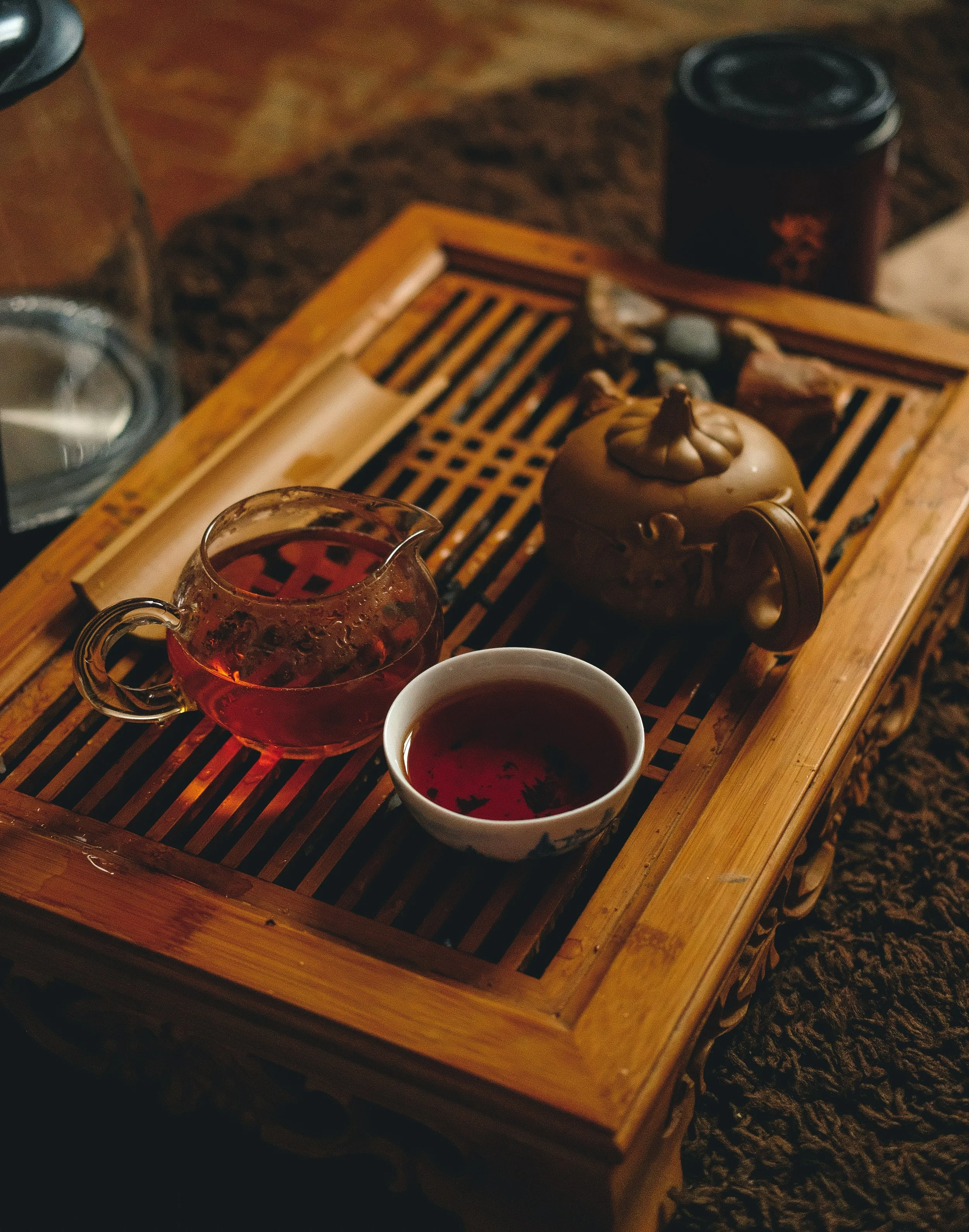
Traditional tea ceremony, Kyoto — one of the oldest mindfulness practices in the world
Sustainable travel and why it matters in Japan
All our itineraries are curated with our Japanese Sustainable travel partners, Our aim is to crate an operating model that supports local craftspeople, small family-run properties and living cultural traditions rather than commercial tourism infrastructure. The Awaji kominka meal uses produce from local farms. The Minobu templestay supports a working religious community. The craft workshops employ master artisans actively passing their skills to the next generation.
Sustainable tourism in Japan is not a marketing category. It is a direct consequence of how the country’s cultural traditions have survived: through continued use, continued patronage and continued respect.
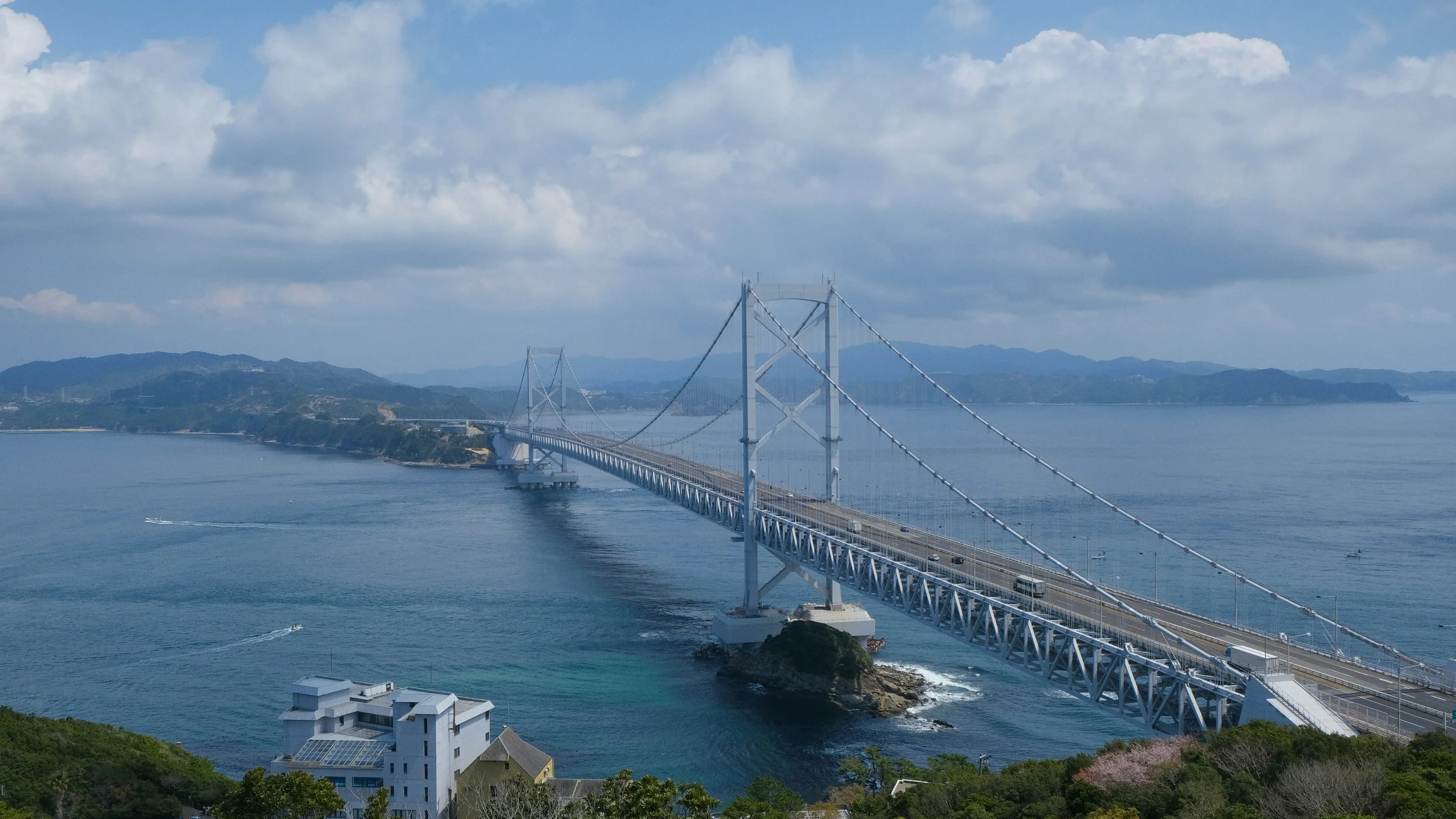
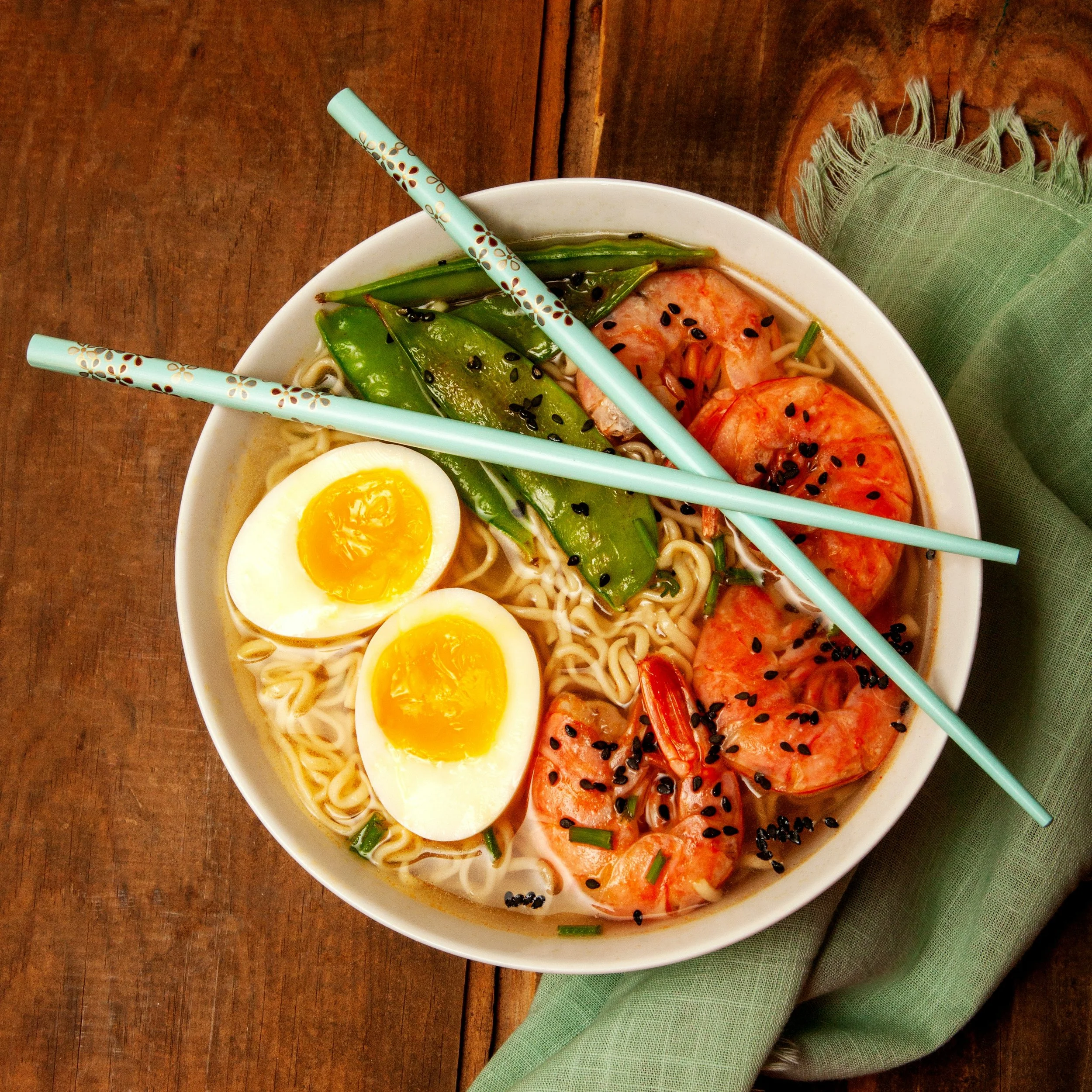
Left: Awaji Island, Seto Inland Sea · Right: Course meal in a traditional kominka farmhouse
Frequently asked questions
What is an onsen ryokan and how is it different from a luxury hotel?
A ryokan is a traditional Japanese inn built around tatami rooms, futon sleeping arrangements, communal or private hot spring baths, and kaiseki cuisine. A high-end onsen ryokan in Hakone combines the service level of a luxury hotel with a deeply Japanese domestic sensibility: stone baths, handmade ceramics, garden views, and a pace that is incompatible with rushing. It is not better or worse than a luxury hotel — it is a fundamentally different experience.
Is shoujin ryori (Buddhist cuisine) suitable for non-vegetarians?
Shoujin ryori is entirely plant-based — no meat, no fish, no eggs, no strong-smelling vegetables such as onion or garlic. For guests who eat meat regularly, it is often a genuine revelation: the cuisine is built on precision, seasonal ingredients and centuries of refinement. Most guests who have eaten shoujin ryori at Minobu describe it as one of the most memorable meals of the trip.
How far in advance should a luxury Japan itinerary be booked?
For high-end ryokan stays in Hakone during cherry blossom or autumn foliage season, we recommend six to nine months in advance. Craft workshops with specific master artisans have limited availability and are best secured early. As a general rule: the more bespoke the component, the earlier we need to move. We handle all bookings and logistics — you simply tell us when you would like to travel.
What does a wellness retreat in Japan offer that a European spa cannot?
The primary difference is authenticity of tradition. A European spa designs a wellness programme. Japan has been practising the underlying traditions — thermal bathing, meditative ceremony, craft-based attention, vegetarian monastic cuisine — for well over a thousand years. The experience is not recreated for travellers. It exists because it has never stopped existing. For travellers who have found that spa holidays leave them rested but not meaningfully changed, Japan tends to go further.
Japan’s most restorative experiences are not found in catalogues. They are found through people who know where to look. Tell us what draws you to Japan and we will build an itinerary around it.
Start planning your Japan escape