Japan Beyond the Tourist Trail: A Luxury Cultural Journey from Tokyo to Awaji Island | OffTheGrid Travel
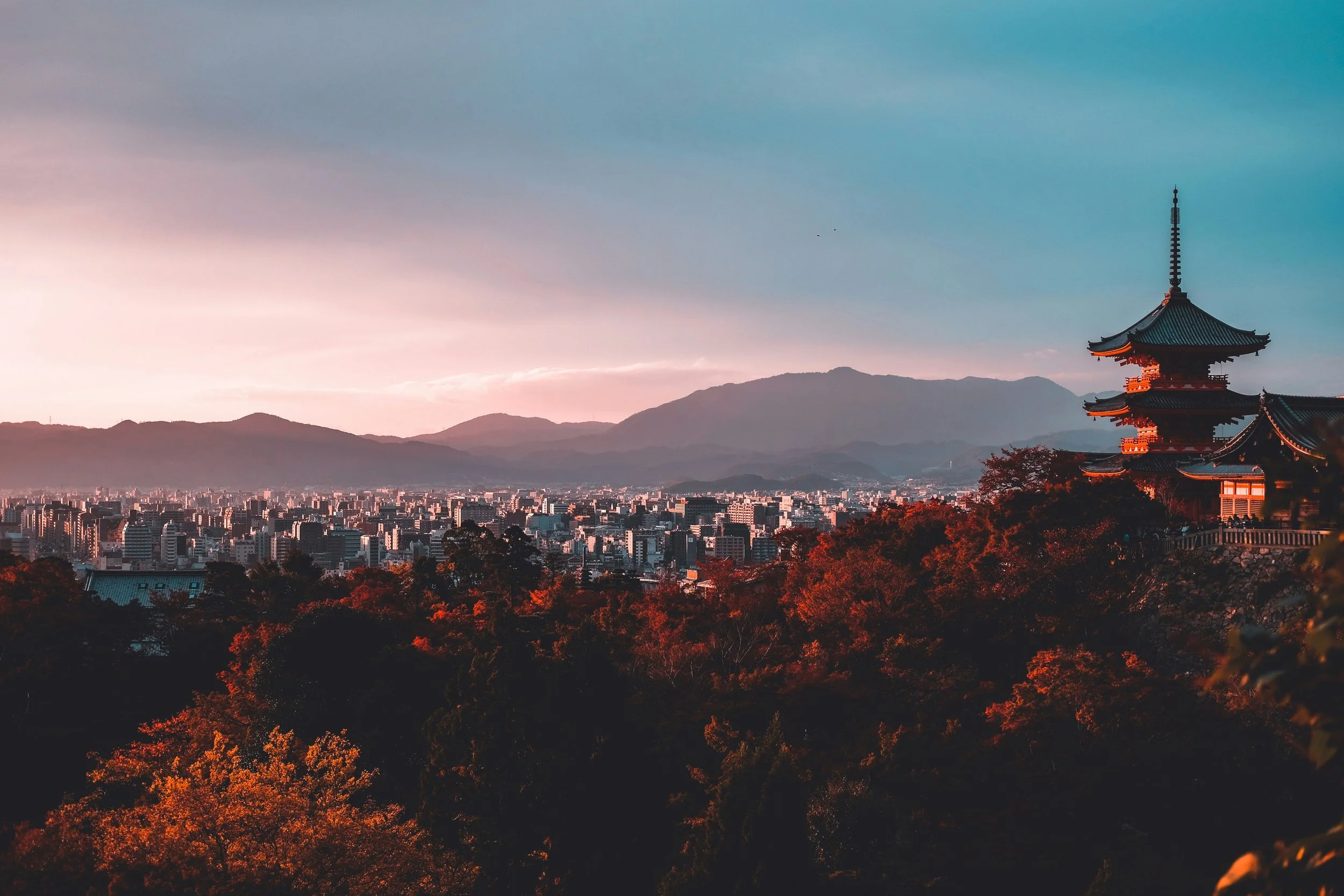
Kyoto’s Higashiyama district — one of five destinations on this 11-day journey through Japan
Most travellers who ask us about Japan have already been once. They saw Shibuya Crossing. They walked Fushimi Inari. What they are looking for now is the Japan that sits beneath the surface — and that is the Japan we have built this itinerary around.
Why Japan rewards the traveller who slows down
There is a version of Japan that takes eleven days to scratch the surface of, and a version that takes a lifetime to understand. The itinerary we curate with our partner Tricolage Japan Sustainable Travel sits deliberately in the middle ground: structured enough to ensure nothing is missed, unhurried enough to allow each destination to reveal something of itself.
The journey spans five distinct environments — Tokyo, Hakone, Minobu, Kyoto and Awaji Island — each offering a different register of Japanese culture. Urban energy gives way to mountain onsen, which gives way to Buddhist contemplation, which gives way to ancient imperial streets, which gives way to coastal stillness. The arc is intentional.
Asakusa, the Imperial Palace, Nakano Broadway, a glassblowing workshop. The city at full depth.
Arrive by Romancecar train. Private hot spring bath and kaiseki dinner at a high-end onsen ryokan.
Buddhist temple lodging at Mt. Minobu. Shoujin ryori dinner. The itinerary’s quietest and most singular night.
A traditional machiya house. UNESCO Heritage shrines, wagashi making, tea ceremony, and a day trip to Nara.
Coastal views, a course meal in a kominka, a performance of Awaji Ningyo. Departure from KIX.
Every major touring day is led by a private English-speaking guide, with a private car where needed.
Tokyo: the city that earns its complexity
Three days in Tokyo is enough to understand why it overwhelms most first-time visitors and fascinates everyone who returns. The itinerary begins with arrival and a private airport transfer. Day two is a private full-day guided tour: Asakusa, the Imperial Palace grounds, Tokyo Tower, and an izakaya dinner that turns into the best kind of evening. Day three moves into less-charted territory: Nakano Broadway, the calm of Nakano Central Park, and the neighbourhood of Koenji — independent, unhurried, largely tourist-free.
The day ends with a hands-on glassblowing workshop before luggage is transferred directly to Kyoto, freeing you entirely for what comes next.
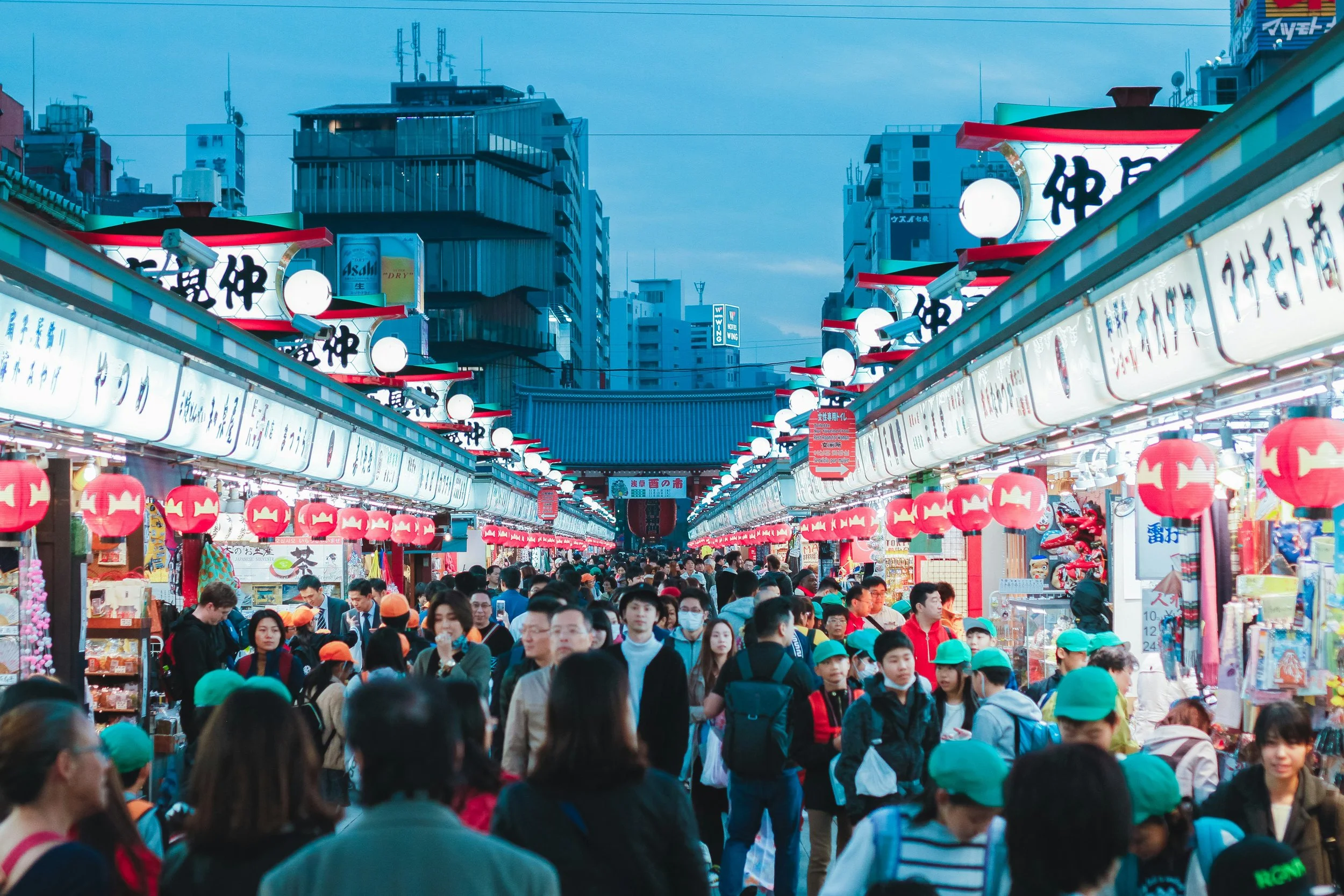
Koenji, Tokyo — one of the city’s most characterful and least-visited neighbourhoods
Two nights that define the journey: Hakone and Minobu
The transition from Tokyo to Hakone is made on the Hakone Romancecar — a sightseeing train that manages to be genuinely scenic in a country where scenic train journeys are already a high bar. The ryokan is among the finest in the region: private hot spring baths, tatami rooms, and a kaiseki dinner that runs through ten or more courses without a moment that outstays its welcome.
The Buddhist temple stay at Minobu is not an amenity. It is the most grounding night on the itinerary, and consistently the one our guests talk about most when they return home.
The following day, a private transfer carries you south through the mountains to Minobu, where temple lodging sits at the foot of Mt. Minobu. Shoujin ryori is served for dinner. The morning ceremony begins before sunrise. It is not theatrical — which is precisely what makes it affecting. We include this night because Japan’s most memorable experiences are rarely the ones in the guidebooks.
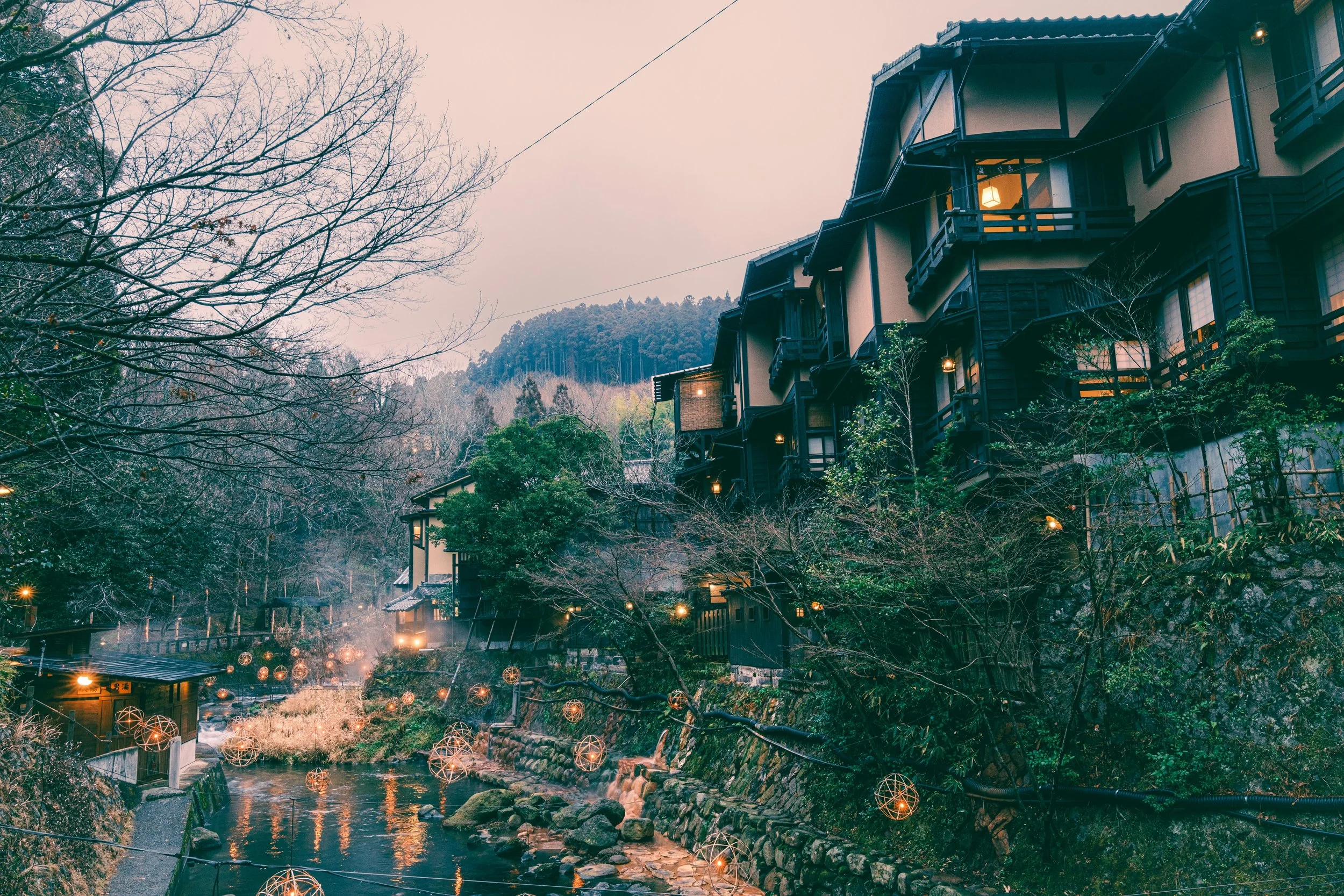
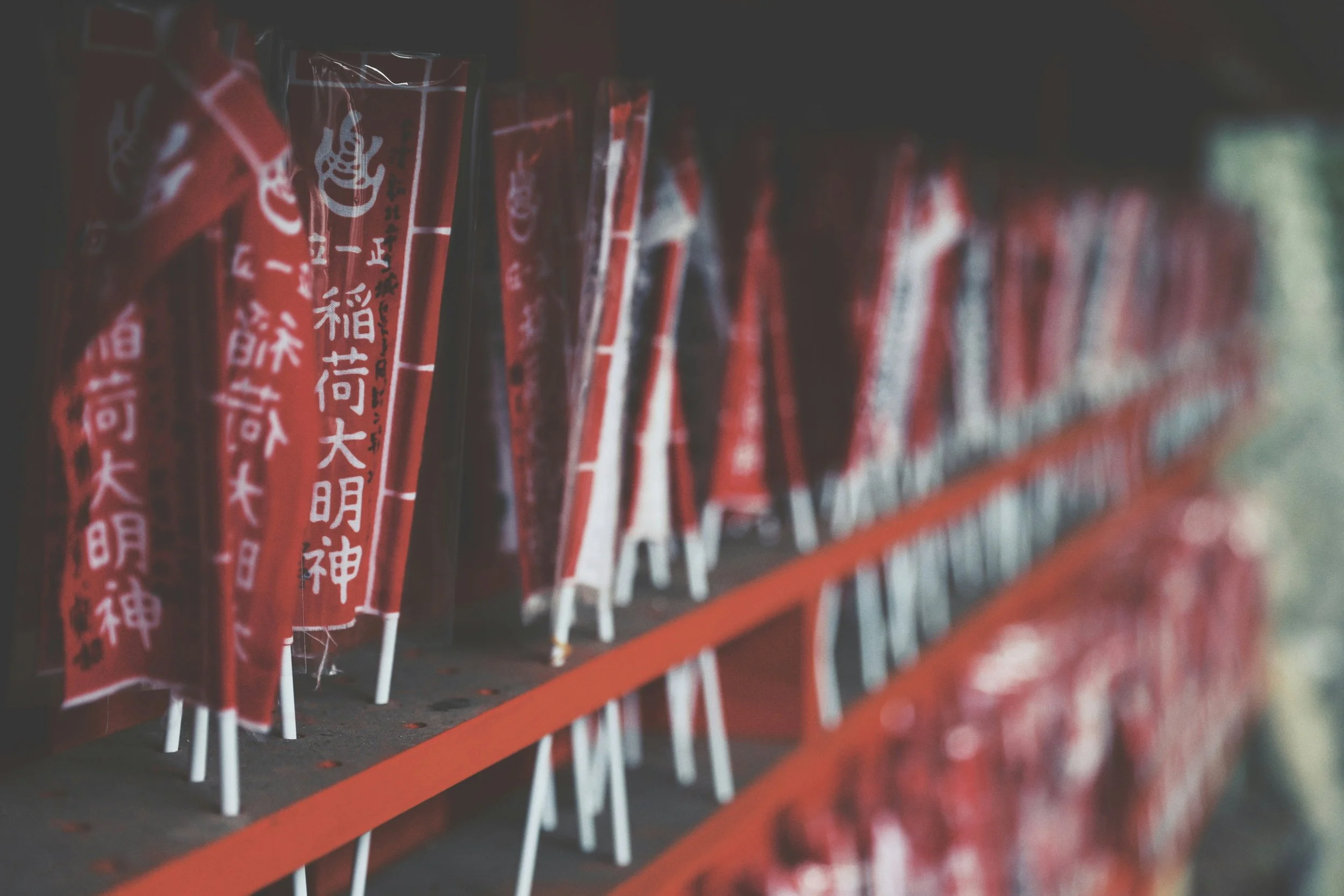
Left: Hakone onsen ryokan · Right: Buddhist temple lodging, Mt. Minobu
Kyoto: living in the city, not visiting it
The difference between a Kyoto hotel and a Kyoto machiya is the difference between observing the city and being inside it. Your base here is a traditional townhouse in the old city — narrow, layered, quiet in a way that hotels rarely manage. Three days unfold from here: UNESCO World Heritage shrines and temples by private car; a half-day in Nara (Todai-ji, the deer park, a chashaku tea-scoop workshop with a craftsman); and wagashi sweet-making followed by a traditional tea ceremony.
These are not box-ticking activities. Each connects to something real — a living craft tradition, a place that has been cared for continuously for over a thousand years. Our collection is built on this principle: experience over itinerary density.
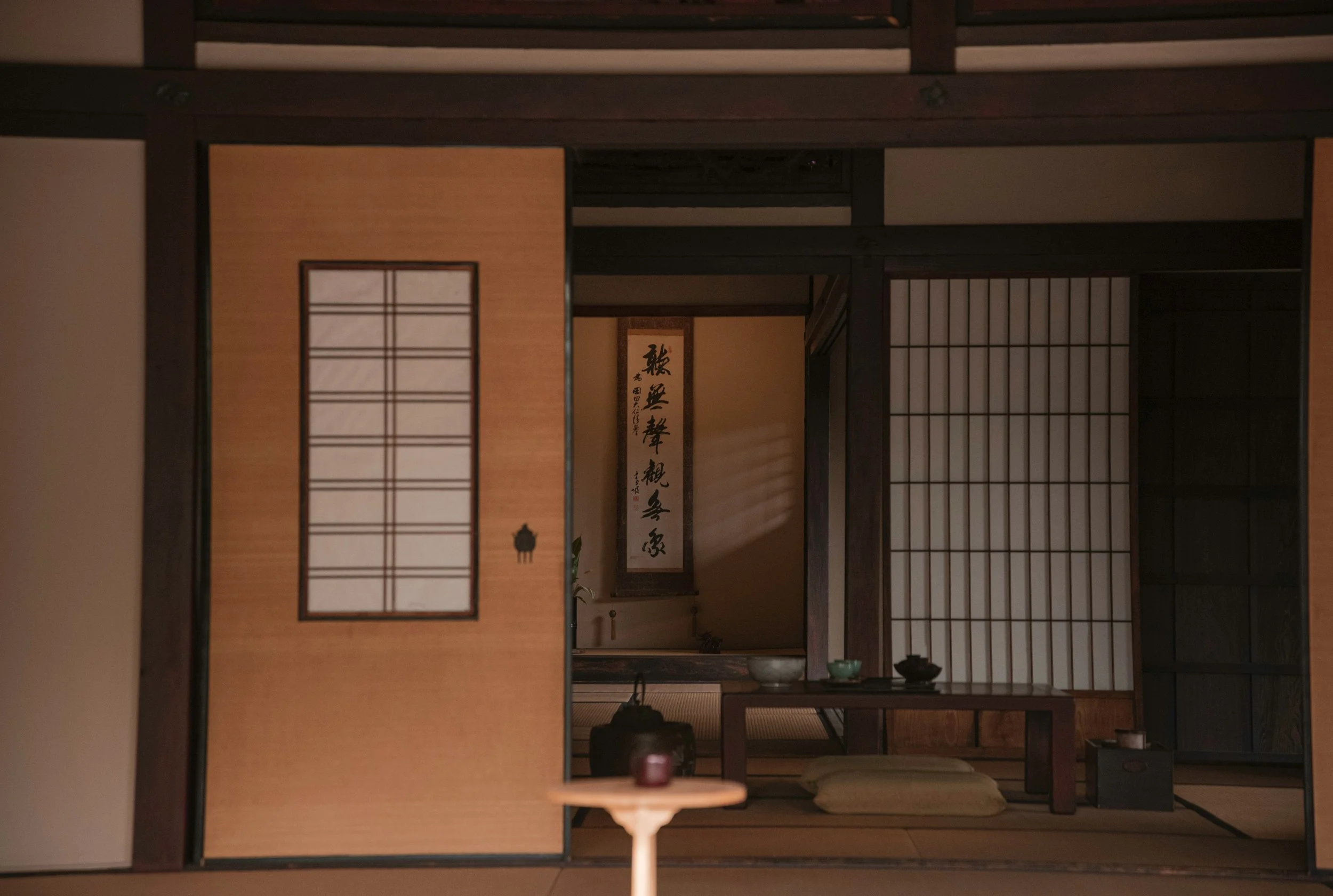
Traditional machiya townhouse, Kyoto — your base for three nights in the old city
Awaji Island: where the journey ends well
Japan’s third-largest island sits in the Seto Inland Sea, connected to Honshū by the Akashi Kaikyō Bridge. It is not on most itineraries. It should be. Your hotel looks out over the sea, and the final full day moves through the island’s working landscape — coastal roads, farmland, fishing settlements — before a course meal at a kominka (a centuries-old farmhouse) and an Awaji Ningyo puppet performance, one of Japan’s oldest theatrical traditions, with a backstage tour. Departure from Kansai International Airport follows the next morning.
Frequently asked questions
Is this Japan itinerary suitable for first-time visitors?
It can be, but it is designed to reward travellers who already know the headline destinations and want to go further. If this is your first visit to Japan, we would typically recommend spending more time in Tokyo and Kyoto before adding Hakone, Minobu and Awaji. Tell us where you are and we will shape the itinerary accordingly.
What is a Buddhist temple stay in Japan like?
Shukubo — lodging within a working Buddhist temple — is one of Japan’s most distinctive accommodation experiences. Rooms are traditionally furnished, meals are shoujin ryori (plant-based Buddhist cuisine), and mornings begin with a prayer ceremony guests are invited to attend. The Minobu stay on this itinerary is at Kuonji, head temple of the Nichiren sect, founded in 1281. It is peaceful rather than austere.
What is the best time of year to travel to Japan?
March to May (cherry blossom season) and October to November (autumn foliage) are Japan’s two peak travel seasons. June offers deep greenery and fewer crowds; September sees Kyoto at its most serene. Cherry blossom windows need early booking — often six to nine months in advance. We plan this itinerary year-round and will advise on timing for your dates.
What kind of traveller is this Japan journey designed for?
Travellers who value depth over density: those who want craft experiences, cultural context and time to absorb a place, rather than a race through landmarks. Couples make up the majority of guests, though it works equally well for solo travellers with an interest in Japanese culture, history and design. If you are looking for a bespoke luxury holiday built around genuine discovery, this is the kind of journey we exist to plan.
This itinerary is curated and operated in partnership with our Japan Sustainable Travel experts. We handle everything from initial planning to in-country logistics. Enquire to discuss your dates and preferences.
Begin your Japan journey